Why Mid-Market Packaging Companies Are Invisible to Trade Media
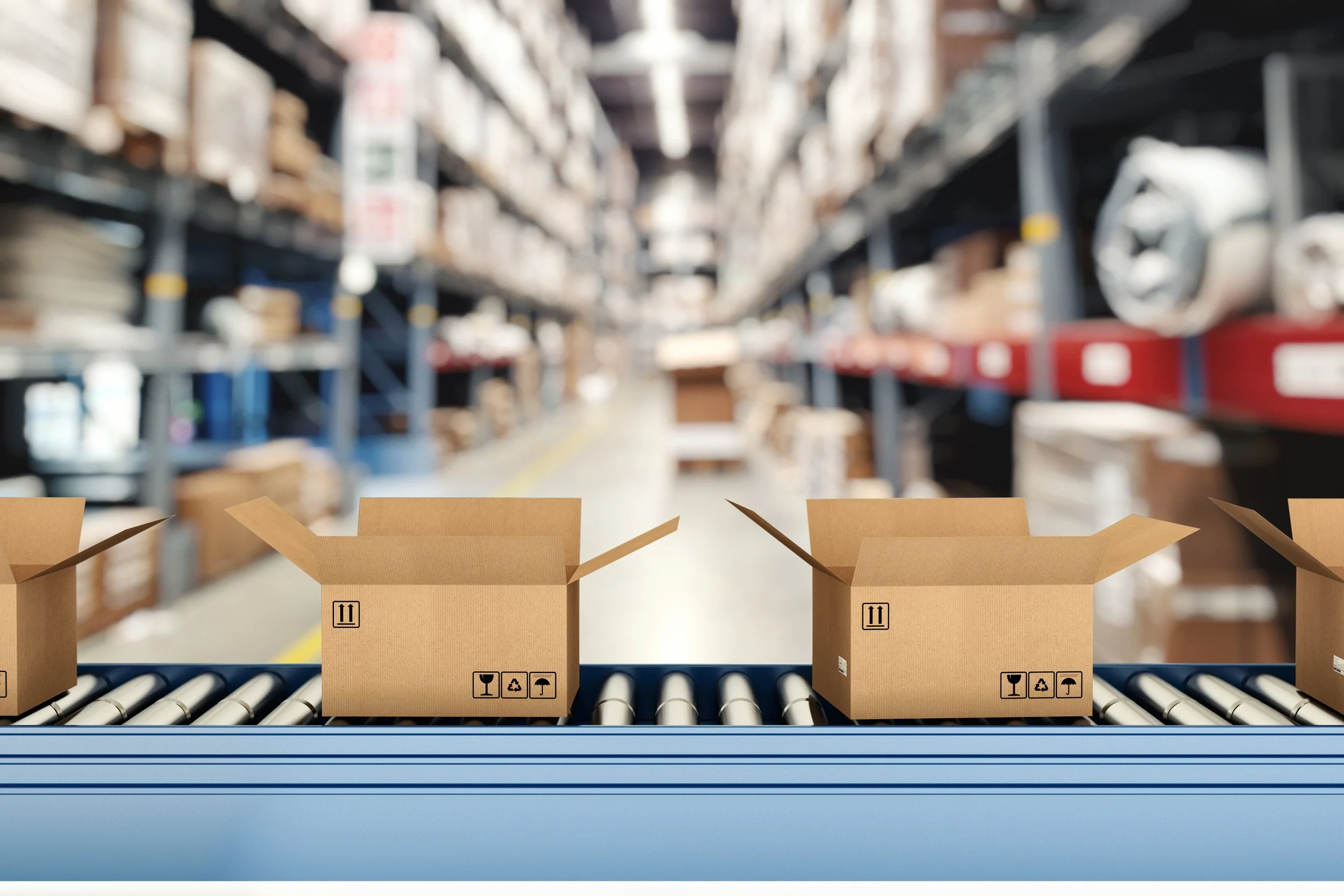
There are roughly 789 packaging machinery manufacturers in the US, according to IBISWorld. Add contract packagers, label producers, flexible packaging converters, and specialty materials suppliers, and the number of companies competing in this space runs into the thousands.
Most trade journalists covering packaging know maybe 50 of them by name. That gap isn't random. It follows a pattern. And it is almost entirely fixable.
The cost of being invisible
That number changes how you think about trade media. If buyers are forming opinions before they ever call you, the question isn't whether PR matters. It's whether you're showing up during the part of the buying process that actually shapes the shortlist.
Research from Forrester and Demand Gen Report puts the same idea differently: B2B buyers are roughly 70% through their decision-making process before they contact a vendor. By the time someone calls your sales team, they have usually already read about your competitors, found a few trusted sources, and started forming conclusions.
Trade media is where that research happens. If you are not in it, you are not in the conversation.
The problem is not your product
Companies in this industry tend to invest heavily in what they make and almost nothing in how they talk about it publicly. That is understandable. Buyers hire based on capability, sample performance, and lead times. Trade relationships with procurement matter more than press coverage. Until they don't.
The absence of coverage is not neutral. It reads as small. A buyer who can't find any third-party validation of your work, no articles, no quotes, no mentions in the outlets they trust, will assume you are either newer, smaller, or less established than you are.
That assumption costs deals. And it is almost never accurate.
Three gaps that show up consistently
The first is no media relationships. Journalists who cover packaging at Packaging Digest, Packaging World, Packaging Technology Today, and Packaging Dive are not waiting for press releases from companies they have never heard of. They work from a list of trusted sources, built over years of repeated contact. If you are not on that list, your announcement gets ignored. Not because it is bad news. Because there is no context for it.
The second is no story frame. A new line of equipment. A plant expansion. A sustainability initiative. These are facts. They become news when someone answers the question: why does this matter to the reader? Most packaging companies send releases that describe what happened. Almost none explain why a packaging engineer at a Fortune 500 food company should care. The fix is one extra paragraph that connects your news to something the journalist's audience is already thinking about.
The third gap is follow-through. Some companies do get coverage. One article, one mention, one feature. And then nothing. No plan for what came next. A journalist who writes about you once will write about you again if you stay in contact and stay useful. That means sharing relevant data, flagging emerging trends in your category, and being available when they need a quick source. It is not complicated. Most companies just don't do it.
What makes a story actually newsworthy to a packaging editor
Editors at packaging trade publications are looking for a small set of things: new technology with a measurable outcome, a shift in how their readers will need to operate, a trend with enough data behind it to be credible, or a perspective from someone with real expertise on a subject their readers are already asking about.
What they are not looking for: product launches with no performance data, company milestones that only matter internally, announcements timed to the company's fiscal calendar rather than anything happening in the market.
Before you write a pitch, ask one question: would a packaging engineer at a company I'm trying to sell to care about this? If the honest answer is probably not, don't send it. If the answer is yes, explain why in the first two sentences of your pitch. Not in the fourth paragraph. The first two.
How to build a media relationship from scratch
Start with the outlets that reach your buyers. Packaging Digest has been publishing since 1963 and reaches packaging executives and engineers across dozens of end markets. Packaging World, published by PMMI Media Group, is the flagship read for professionals who specify packaging equipment. Packaging Technology Today is a monthly publication circulated directly to qualified packaging buyers, with particular strength in equipment and technology coverage.
Pick two publications. Find the editor or reporter who covers your specific segment. Read three or four of their recent pieces. Then reach out with something useful: a data point that relates to something they wrote, a perspective on a trend they covered, or a source offer for a story they are working on.
Don't pitch your company on the first contact. Introduce yourself as a resource. That distinction matters more than most people realize.
Once you have an established contact, set a reminder to follow up every six to eight weeks. Share something relevant. Stay on their radar. After three or four of these touchpoints, asking for coverage of a real announcement is a much easier conversation.
A practical starting point
If you have never done any of this, here is a simple 90-day sequence to get started.
In the first 30 days: identify the two publications most relevant to your buyers. Find the name of the editor or reporter covering your segment. Read their recent work. Create a simple tracking document with their name, publication, recent topics, and a field for notes on each contact.
In the next 30 days: make first contact with something useful. Not a pitch. A resource. A piece of data. A response to something they published. Keep it short. Two to three sentences.
In the final 30 days: follow up once. Share something else relevant. By now you have made two meaningful contacts with a journalist who covers your industry. That is more than most of your competitors have done.
The companies that show up consistently in packaging trade media are rarely the ones with the biggest PR budgets. They are the ones who made this boring, unglamorous work a habit.